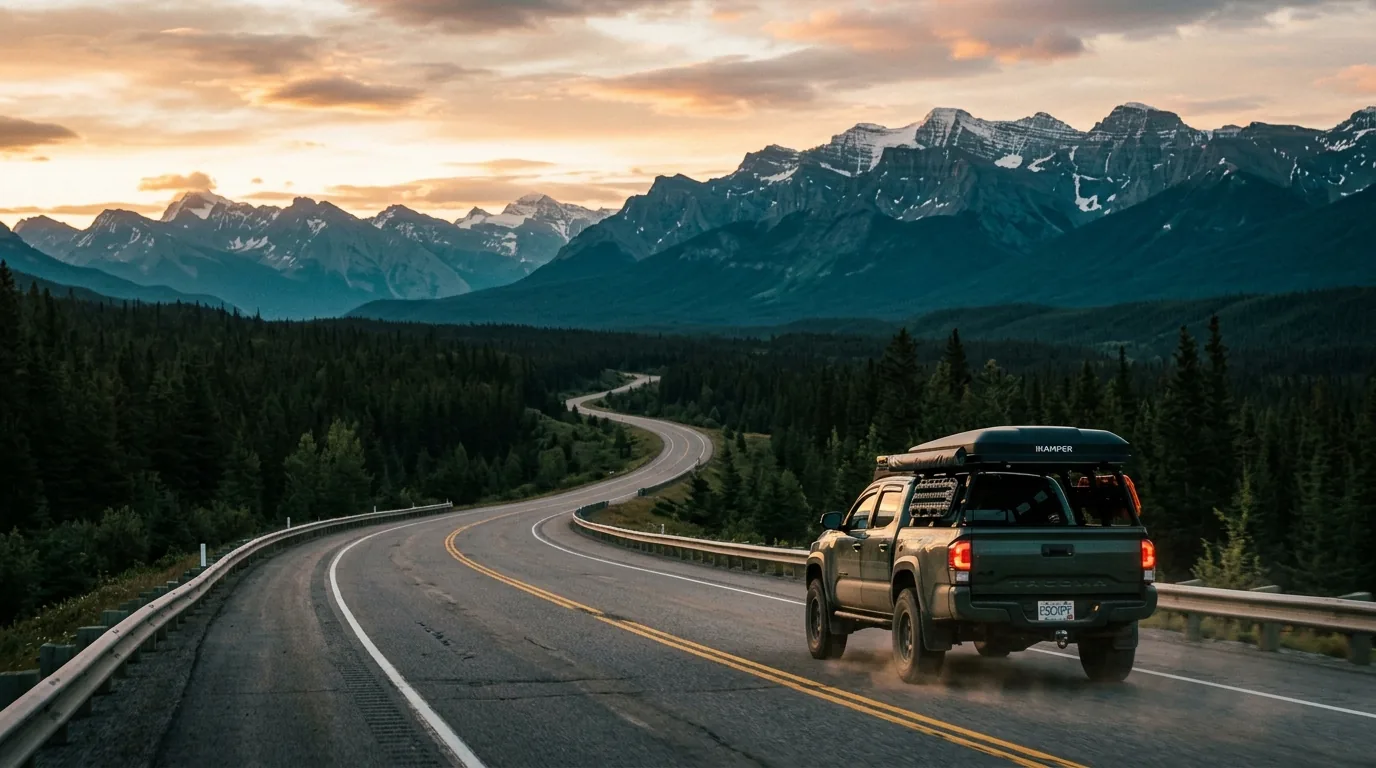
It's peak season in the Rockies, and you know the drill by now: campground reservations that vanished months ago, FULL signs at the gates, trailhead lots that jammed before your coffee kicked in. Here's the thing almost nobody in that lineup knows — 150 km north of Hinton, at the end of a paved highway with no traffic on it, sits the biggest roadless wilderness in the Alberta Rockies. No entry fee. No reservation system to lose. Campgrounds that sit half-empty on July weekends. This is the escape plan.
The Wilderness That Said No to Everything
In 1959, Alberta gave one block of the Rockies its own law — the Willmore Wilderness Park Act, separate from the Provincial Parks Act and still in force. It banned all industrial activity across roughly 4,600 km² of front-range mountain country north of Jasper. No roads were ever built inside. No bridges either. No campgrounds, no visitor centre, no gate, no fee. Travel is on foot or horseback, full stop — the trails follow fur-trade and Indigenous routes that are older than the province, and a Grande Cache-based volunteer foundation still clears them with pack horses and crosscut saws.
That's the headline act. But here's what makes this a real weekend destination instead of a trivia answer: you don't have to be an expedition backpacker to taste it. A string of drive-up campgrounds lines Highway 40 along the wilderness edge, canyon viewpoints sit a three-minute walk from a parking lot, and the hamlet of Grande Cache — population around 3,300, perched on a bench above the Smoky River — keeps the whole corridor fuelled and fed.
The Weekend Version, Hour by Hour
This is the trip you can run with any capable vehicle, this weekend, without booking anything:
- Muskeg Falls — 16 km south of town, a 1.2 km walk to a broad waterfall on the Muskeg River. The best leg-stretch on the drive in, and a better stop than the gas station that doesn't exist anyway.
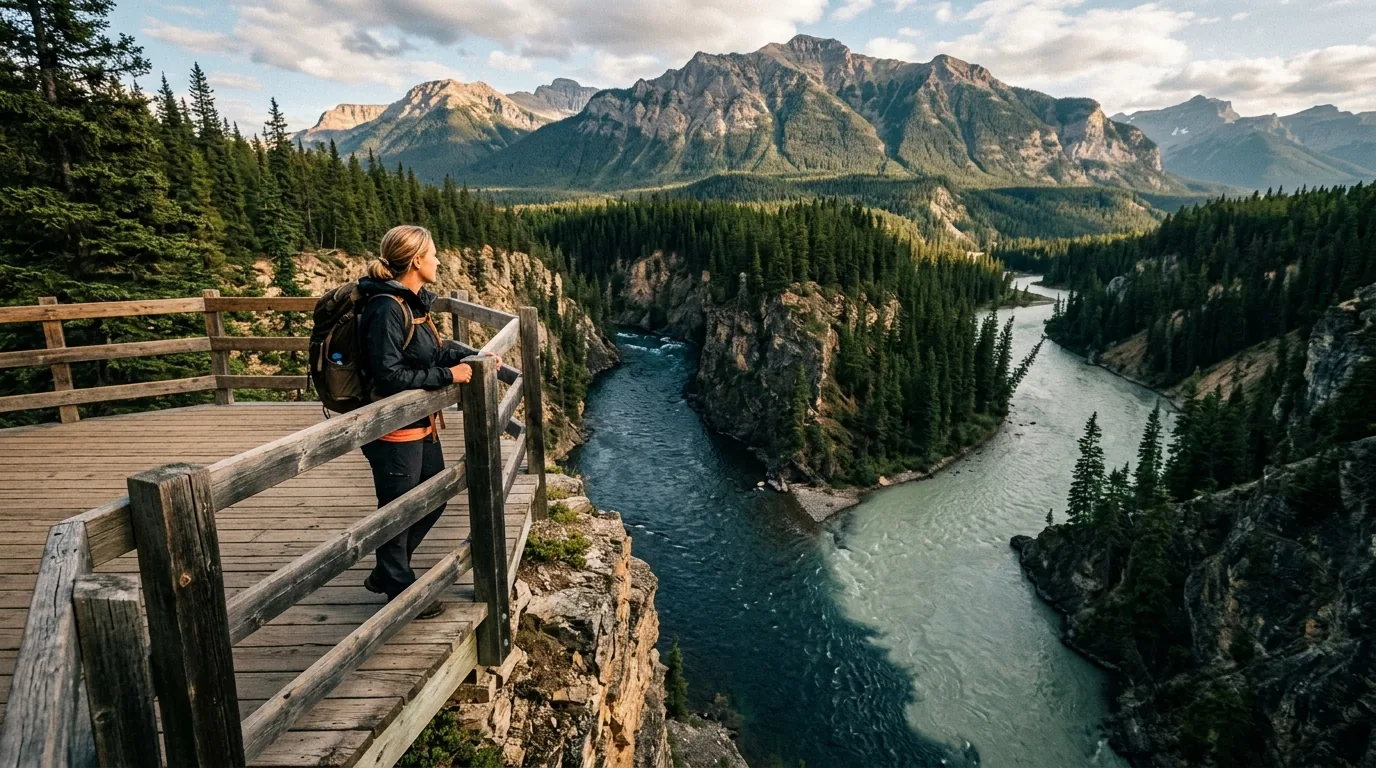
- Sulphur Gates — four viewing platforms hang over the meeting of two rivers that refuse to match colours, 0.3 km from the parking lot. The best effort-to-drama ratio in northern Alberta. A rougher ~6 km rim circuit exists if you want to earn it.
- Eaton Falls — from the same staging area, an old rocky road contours above the Smoky, crosses the Willmore boundary, and drops to a waterfall on Eaton Creek. Around 7 km return. You will have legitimately hiked the wilderness almost nobody you know has visited.
- Grande Mountain — the grind above town: roughly 10 km return and 950 m up powerline grades to the radio towers, with the hamlet, the Smoky's big bend, and Willmore's front ranges stacked to the horizon. It's Leg 2 of the Canadian Death Race; locals run it before work. Take your five hours proudly.
- Town — the Tourism & Interpretive Centre (780-827-3300) is genuinely good and staffed by people who know the trails; Grande Cache Lake handles hot afternoons; and every August the Death Race turns the whole place into the toughest party in Alberta.
What It Costs (Sit Down for This)
Willmore itself: nothing. No entry fee, no camping fee, no permit, no reservation. The one document that applies is provincial, not park — adults random-camping in the backcountry (or vehicle-camping the crown land along the corridor) need Alberta's Public Lands Camping Pass: $30 a year or $20 for three days, per person 18 and over. A week out here for two people costs $60 in passes and nothing else.
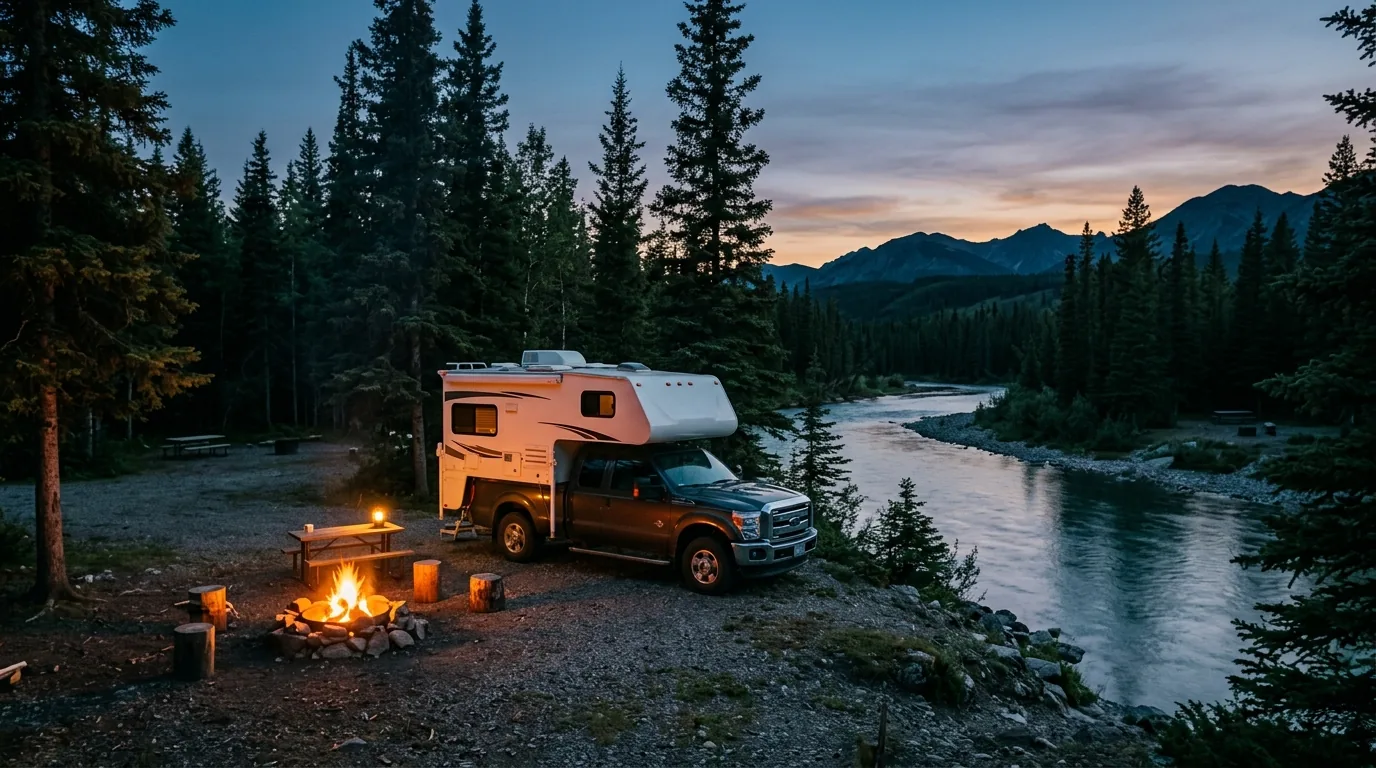
The drive-up campgrounds along the highway run $20–$38 a night — Sulphur Gates ($30, first-come, canyon views included), Big Berland ($20, right on the highway), Rock Lake ($20, phone 780-865-2154), Pierre Grey's Lakes ($30–$38, the comfort pick with power, and the only one bookable online), Sheep Creek ($25, six sites, aurora-dark). Most are first-come — the reservation anxiety that runs your Jasper summer simply doesn't exist up here.
The Honest Catches
This corner stays empty for reasons, and you should know them before you commit:
- Bring every litre you'll drink. Nearly every campground pump on the corridor is non-potable — fire and dish water only. Budget 4+ litres per person per day, filled in Hinton or Grande Cache.
- Your phone becomes a camera. Signal in the towns, long dead zones between them, nothing at the trailheads. Download offline maps before leaving town and tell someone your plan.
- This is dense grizzly country with no bulletin board. No warning system, no closure notices — just bears. Spray on the hip from the parking lot, including at the viewpoints.
- Official trail figures barely exist. Outside Rock Lake, distances come from brochures and GPS trip reports, not signage. Plan generously and read the trailhead board.
- 2026 specifics: the Rock Lake access road is under construction with single-lane sections July 19 – October 31 (call before hauling anything big), and the Canadian Death Race fills the town August 1 — the one weekend the corridor genuinely books out.
The trade is simple, and it's the whole point: 150 km south, your money buys you a numbered stall in a full campground. Up here it buys you the river, the firewood, and nobody within earshot — as long as you show up with your own water and a full tank.
Quick Answers
Do I need a reservation to camp near Grande Cache?
Mostly no — and that's the point. Sulphur Gates and Sheep Creek are first-come; Rock Lake and Big Berland reserve by phone (780-865-2154); only Pierre Grey's Lakes uses Alberta Parks' online system. The one weekend that genuinely fills the corridor is the Canadian Death Race, August 1 in 2026.
Is there an entry fee for Willmore Wilderness Park?
No — no entry fee, no camping fee, no permit, under its own 1959 Act. The one document that applies: adults random-camping in the backcountry need Alberta's Public Lands Camping Pass ($30/year or $20/3-day per person 18+). The drive-up campgrounds outside the park boundary charge normal fees of roughly $20–$38 a night.
How far is Grande Cache from Jasper or Hinton?
Grande Cache sits about 145 km north of Hinton on fully paved Highway 40 — roughly a 90-minute drive from the Jasper park gates area. Critically, there are no services at all between the towns: no fuel, no store, and long cell dead zones. Fill up in Hinton and again in Grande Cache.
What can I actually do there on a normal weekend?
Plenty without ever leaving road access: the Sulphur Gates canyon platforms are a 0.3 km walk from the parking lot, Eaton Falls is a half-day hike that crosses into Willmore itself (~7 km return), Muskeg Falls is a 1.2 km leg-stretcher off the highway, and Grande Mountain (~10 km return, ~950 m gain) gives you the whole region from the summit. Add the town's interpretive centre and Grande Cache Lake for the easy evening.
What's the catch?
Services, mostly. Campground water pumps are non-potable (bring every litre you'll drink), there's no cell signal at the trailheads, this is dense grizzly country with no bulletin-board warning system, and official trail figures barely exist outside Rock Lake. You trade convenience for solitude — knowingly, and with a full water jug.
Trusted Sources
Facts checked against official Alberta Parks and alberta.ca pages July 15, 2026. Conditions, fees and the Rock Lake construction schedule change — verify before you roll.
The Full Escape Plan, in the Glovebox
This post is the teaser. Trail Journal No. 005 — Willmore Wilderness & Grande Cache — is the complete field guide: seven basecamps, source-rated trail cards, the ford doctrine, every phone number that matters, and a printable 21-page PDF that works where your phone doesn't.
Trekkr.life shares field notes from the overlanding community for general information only. Backcountry travel carries real risk — this region has no cell coverage at trailheads, non-potable campground water, and dense grizzly populations. Verify routes, fire bans, construction schedules and regulations with official sources before you go. Trail distances outside Rock Lake are unofficial estimates from brochures and trip reports.